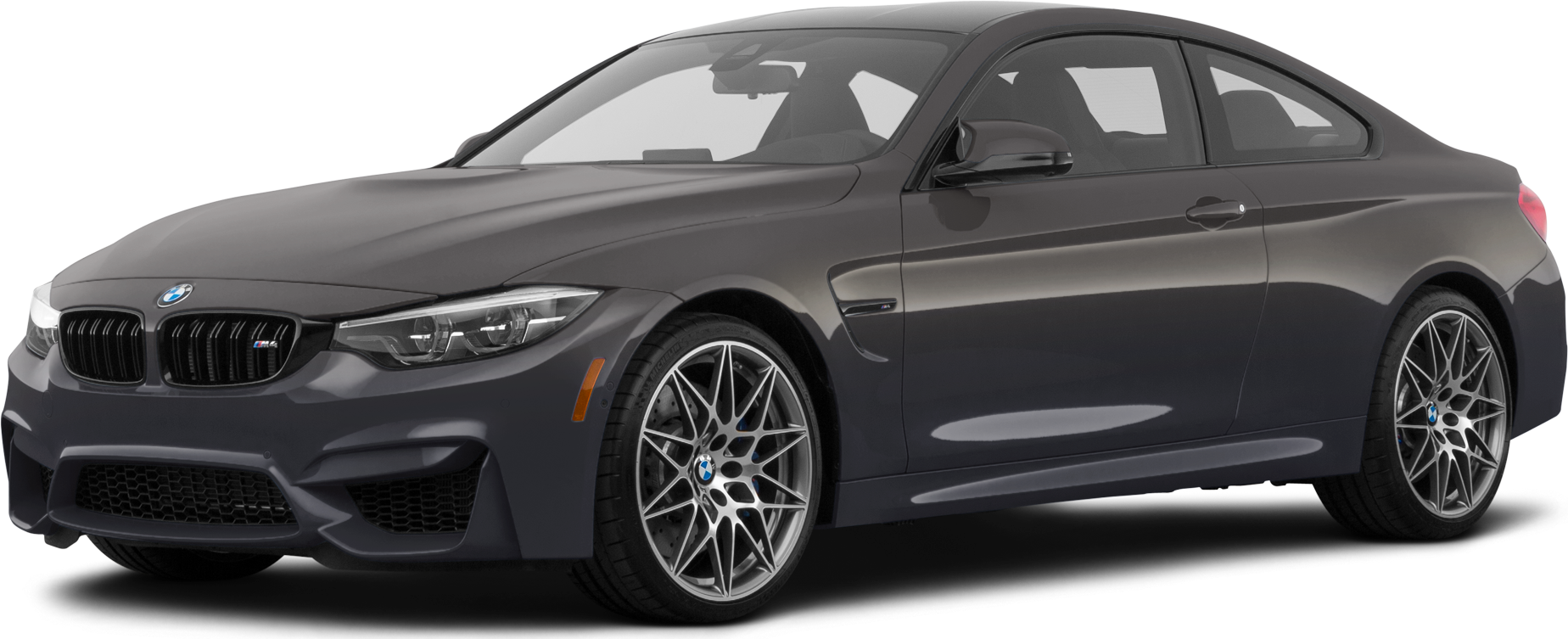

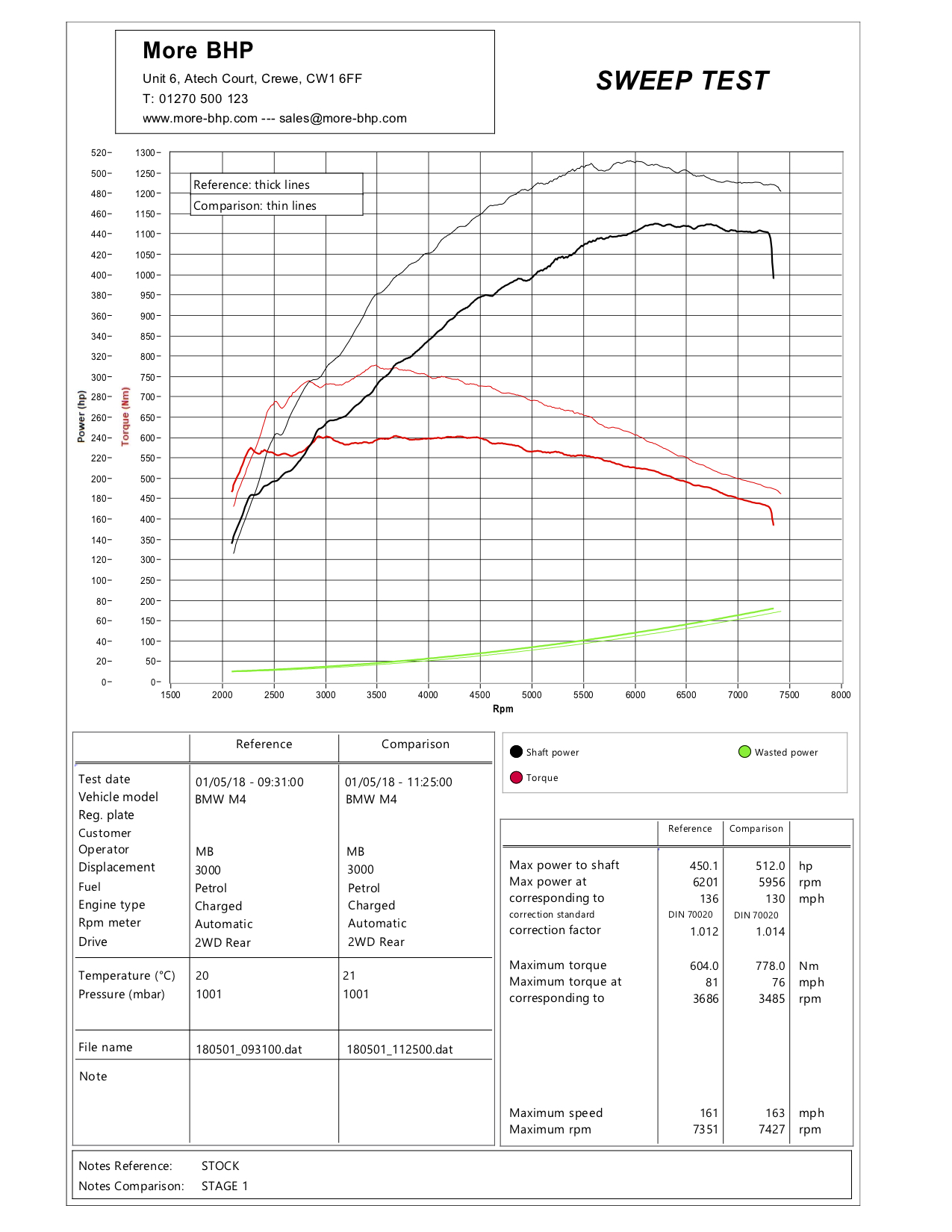
Black performance coupe with gold wheels and integrated red and white dyno graph curves

Tuning + ECU Services

Performance division of German Spec

Power, access
and control.

Vehicle-specific tuning on one side. Dedicated ECU, module and coding work on the other—each with its own process, checks and equipment.

BMW codingEDC codingAdBlue / SCRDTC diagnosisEGR solutionsECU cloning

Two focused service paths

Tuning when you want more.
ECU services when you need answers.

Start with the outcome you need. Calibration work and control-unit services are handled as separate jobs, with the correct diagnostics, access method and backup process for each vehicle.

01 · PERFORMANCE

Vehicle tuning

Calibration work for a healthy, complete vehicle. The goal is usable power matched to the fuel, hardware and intended use.

  • Stage 1, Stage 2 and project calibration
  • ECU and supported TCU calibration
  • Health checks, original-file backup and verification
Explore tuning →
02 · CONTROL UNITS

ECU services

Bench-based control-unit work, coding and fault-led solutions. This is separate from increasing engine output.

  • Testing, cloning, recovery and VIN writing
  • OBD, Bench and Boot reads
  • BMW coding, EDC, AdBlue/SCR, DTC and EGR work
Explore ECU services →

Live Stage 1 calculator

Find your vehicle's
estimated gains.

Select a manufacturer, model and engine to view indicative Stage 1 power and torque figures.

The number is a starting point. We inspect the vehicle before recommending any calibration.

Live data supplied byByteFLASH

Estimate only: actual results vary with vehicle condition, fuel, hardware and environmental conditions.

Before any tune

Fault codes come first.

An active fault means we stop. The fault is diagnosed and repaired before calibration so tuning never masks an existing mechanical or electronic problem.

G Spec Tuning

What we actually do.

Vehicle-specific software, professional ECU access and a conservative approach to usable power.

01

Stage 1 calibration

Software for a healthy vehicle on standard hardware, with smoother response and stronger usable torque.

02

Stage 2 and project work

Calibration matched to agreed supporting hardware, cooling and the intended use of the vehicle.

03

Supported TCU calibration

Transmission software considered separately and only where the gearbox, protocol and vehicle use support it.

04

Logging and verification

Original-file retention, fault checks, post-write verification and data review where the vehicle or project requires it.

Developed around the vehicle

Power is only useful when the car is healthy.

Every job starts with identification, diagnostics and a review of the hardware. The calibration is matched to the ECU, fuel, supporting parts and how the vehicle is actually used.

01

Identify

Confirm the vehicle, engine, ECU and current software before reading or writing anything.

02

Diagnose

Scan for faults, review live data and stop when an existing mechanical or electronic problem needs attention.

03

Back up

Retain the original file and ECU identification so the starting point is documented and recoverable.

04

Verify

Complete post-write checks, clear only resolved faults and confirm the vehicle behaves correctly under load.

Calibration levels

The right stage for the hardware.

A stage is not a badge or a universal file. It describes the hardware assumptions and development work behind the calibration.

1

Standard hardware

Stage 1

Vehicle-specific ECU calibration for a healthy, mechanically standard vehicle. The focus is smoother response and stronger usable torque within sensible limits.

  • Diagnostics and ECU identification
  • Original-file backup
  • Calibration matched to fuel and use
  • Post-write checks and road verification
2

Supporting hardware

Stage 2

Calibration developed around agreed airflow, exhaust, intercooling or other supporting changes. Hardware and software are planned as one package.

  • Hardware list confirmed first
  • Thermal and load considerations
  • Data logging where appropriate
  • Vehicle-specific revision support
3

Planned build

Stage 3

A project calibration for major hardware changes. Turbo, fuel system, cooling, transmission limits and the intended duty cycle must all be considered.

  • Build specification agreed in advance
  • Custom calibration strategy
  • Logging and revision process
  • Separate quotation and timeline
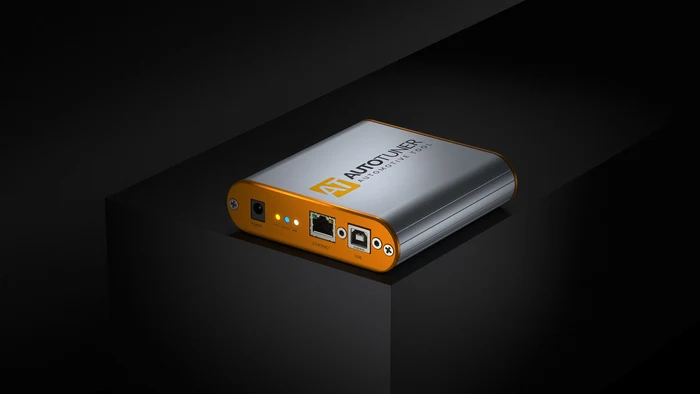
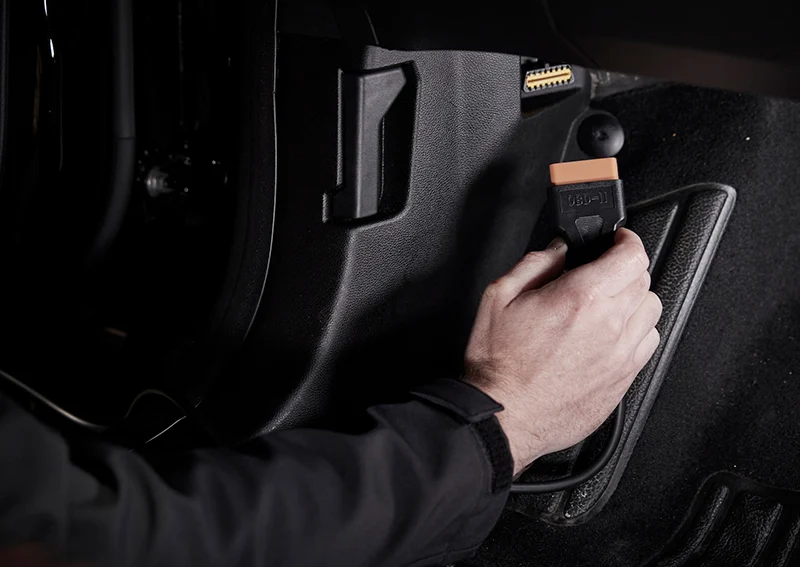
Official AutoTuner ECU programming tool and cablesProfessional ECU and TCU programming equipment
Professional access

AutoTuner equipment.

Modern control units do not all communicate the same way. We use supported professional equipment to identify the ECU, select the correct protocol and read or write it through the safest suitable method.

Automatic ECU identificationOBD, Bench and Boot protocolsOriginal-file backupECU and supported TCU access

The access method is chosen by the ECU and protocol—not by convenience. Some vehicles stay connected in the car; others require the control unit to be removed.

ECU read and write methods

OBD. Bench. Boot.

Three professional access methods, selected according to the exact control unit, software version and supported protocol.

AutoTuner OBD programming connection inside a vehicle
01

OBD mode

Reading and writing through the diagnostic port when the ECU and protocol support it. The control unit normally remains installed in the vehicle.

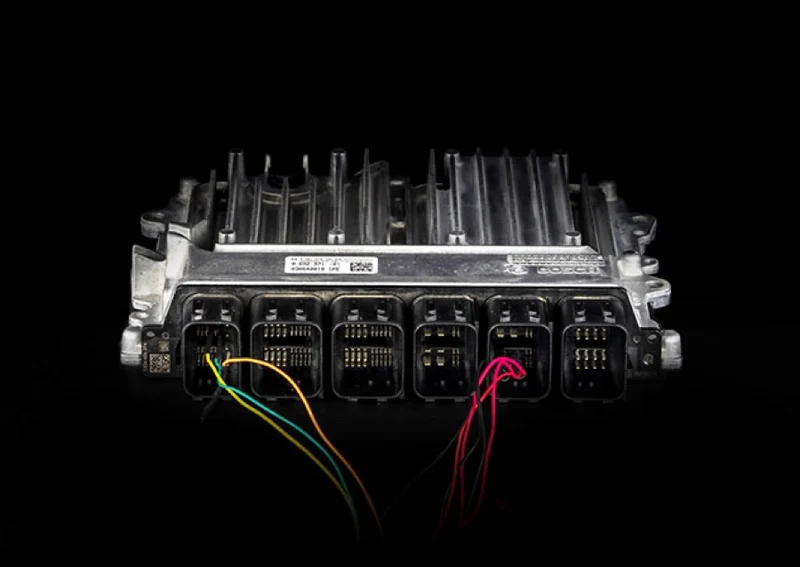
AutoTuner Bench mode connection to a removed ECU
02

Bench mode

The ECU is removed and connected through its external pins on a controlled workbench. The case stays closed when the supported protocol allows it.

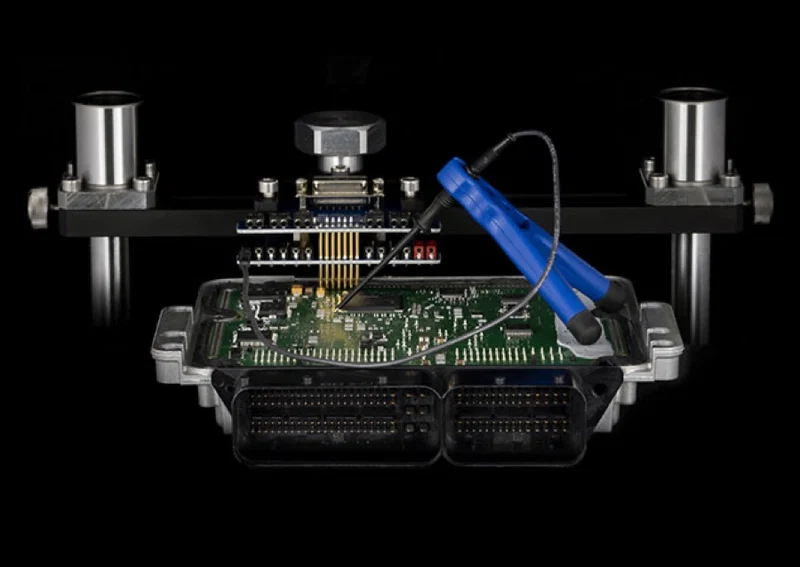
AutoTuner Boot mode connection to an opened ECU circuit board
03

Boot mode

Direct board-level access used when the protocol requires it. The ECU is opened carefully and connected at specified points for controlled communication or recovery.

Equipment and method photography: AutoTuner.

Dedicated ECU services

Control-unit work,
properly identified.

Every ECU job begins with part-number, hardware and software identification. We confirm what is technically supported before opening, reading, writing or transferring data.

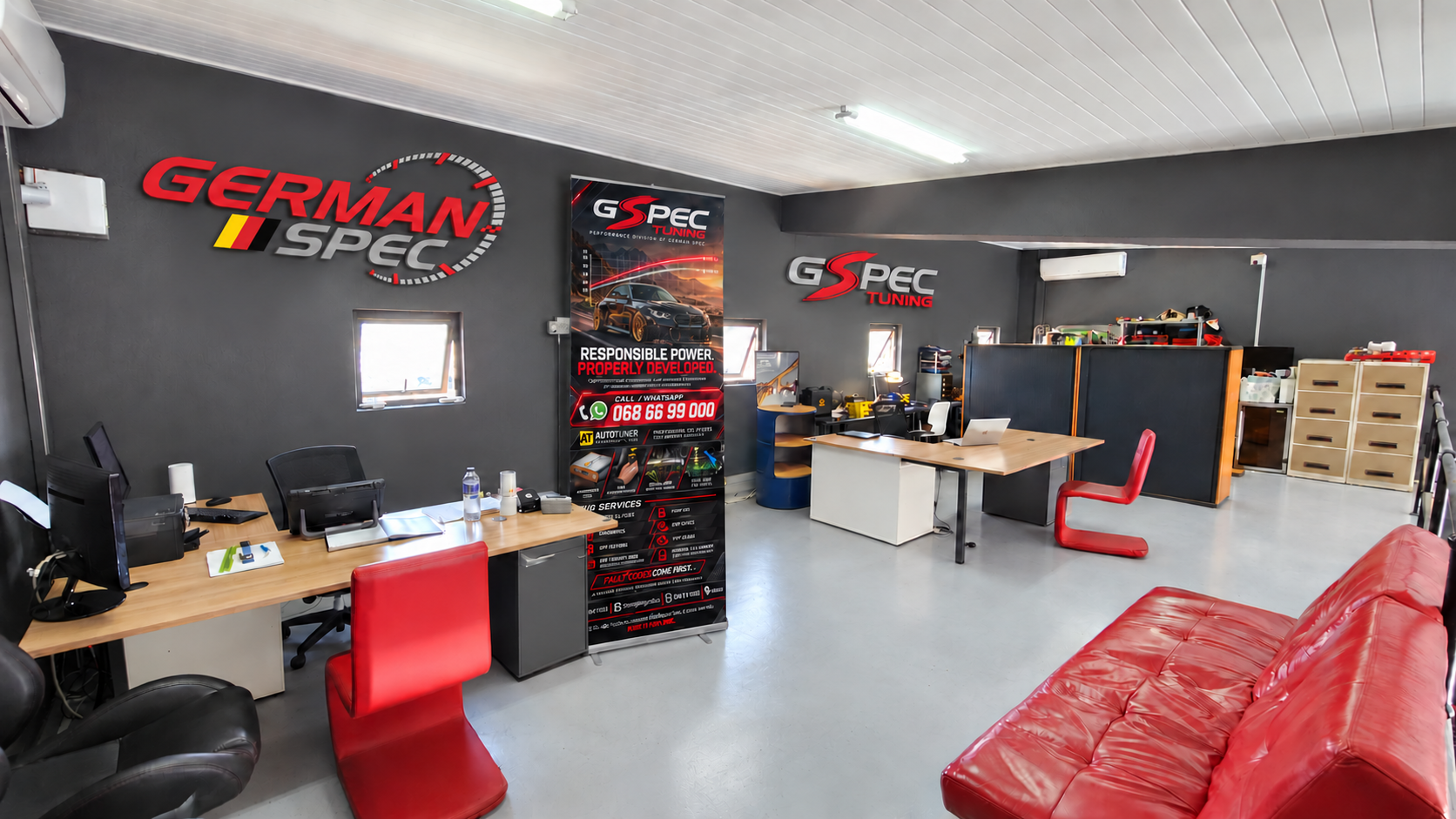
G Spec Tuning and ECU Services office in Ballito
G Spec Tuning & ECU Services · Ballito
AutoTuner Boot-mode probe pins connected directly to an opened ECU circuit board
Direct Boot access with controlled probe-pin contact
01

ECU testing & identification

Part-number, hardware and software identification, communication checks and fault-led testing before replacement or file work is recommended.

02

ECU cloning & matching

Supported transfer of flash, EEPROM and identity data to a verified compatible replacement unit when the protocol allows it.

03

Bench & Boot reads

Bench connection through external ECU pins, or direct board-level Boot access with test probes when OBD access is unavailable.

04

VIN, ISN & identity writing

Supported VIN and identity work for compatible replacement modules after the donor unit, vehicle and ownership are verified.

05

BMW coding & programming

Vehicle-order coding, module replacement setup, supported retrofit coding, configuration correction and post-repair module coding.

06

BMW EDC coding

Supported EDC removal from the vehicle configuration when fixed-damper coilovers replace factory electronic dampers, followed by fault and function checks.

07

AdBlue / SCR diagnostics

Pump, injector, heater, level, pressure, NOx-sensor and dosing-system diagnosis before any repair or supported software solution is considered.

08

DTC diagnosis & management

Diagnostic trouble codes are traced to the cause first. Supported DTC changes are considered only after the related hardware and vehicle use are understood.

09

EGR diagnostics & solutions

Valve, cooler, actuator, airflow and soot-loading checks, with repair guidance for road vehicles and supported non-road solutions where lawful.

10

DPF diagnosis & regeneration

Differential-pressure, temperature, soot-load and regeneration checks to separate a blocked filter from the engine fault that caused it.

11

Immobiliser & module matching

Supported replacement-module matching and start-authorisation work, completed only with vehicle identification and proof of ownership.

12

Backup, original files & recovery

Original-file retention, checksum-controlled writing and supported recovery access when an ECU cannot be handled safely through the diagnostic port.

Important: road vehicles must remain roadworthy and emissions compliant. Emissions-system software changes are assessed vehicle by vehicle and are limited to lawful non-road or competition use where applicable. Fault codes are never used to hide an unresolved mechanical problem.

Coding & diesel solutions

A clear problem.
A properly checked solution.

These are not one-click files. We identify the vehicle, confirm the hardware and explain what changes before any coding or control-unit work begins.

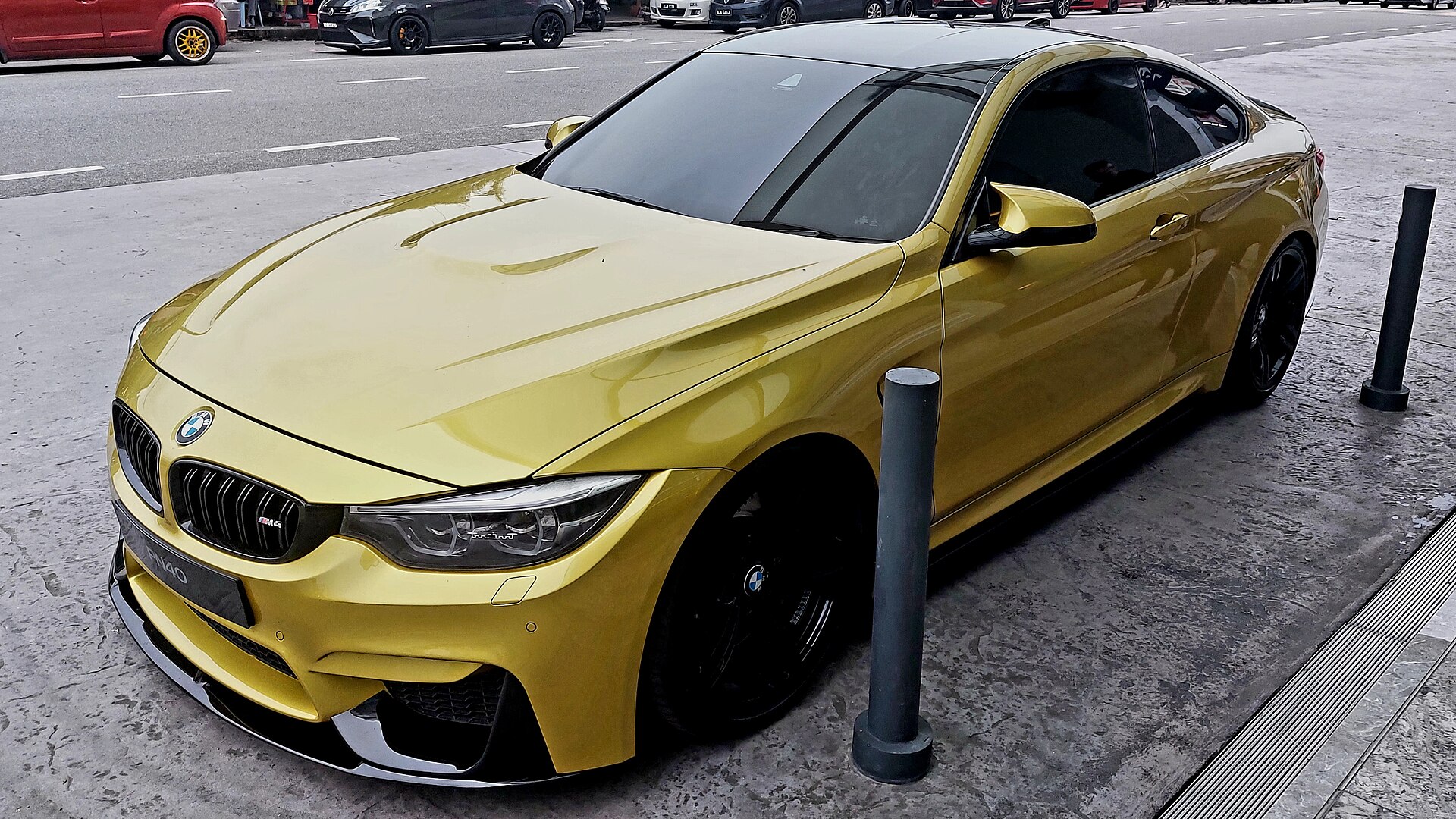
BMW M4 fitted with performance suspension
BMW EDC CODING

Installing coilovers on an EDC BMW?

Fixed-damper coilovers can leave the car looking for electronic dampers that are no longer connected. On supported BMWs we can assess coding the EDC system out of the vehicle configuration, clear the related warnings and verify the remaining drive-mode functions.

  • Chassis and option check
  • Vehicle-order and module coding where supported
  • Post-coding scan and function check
Ask about EDC coding ›
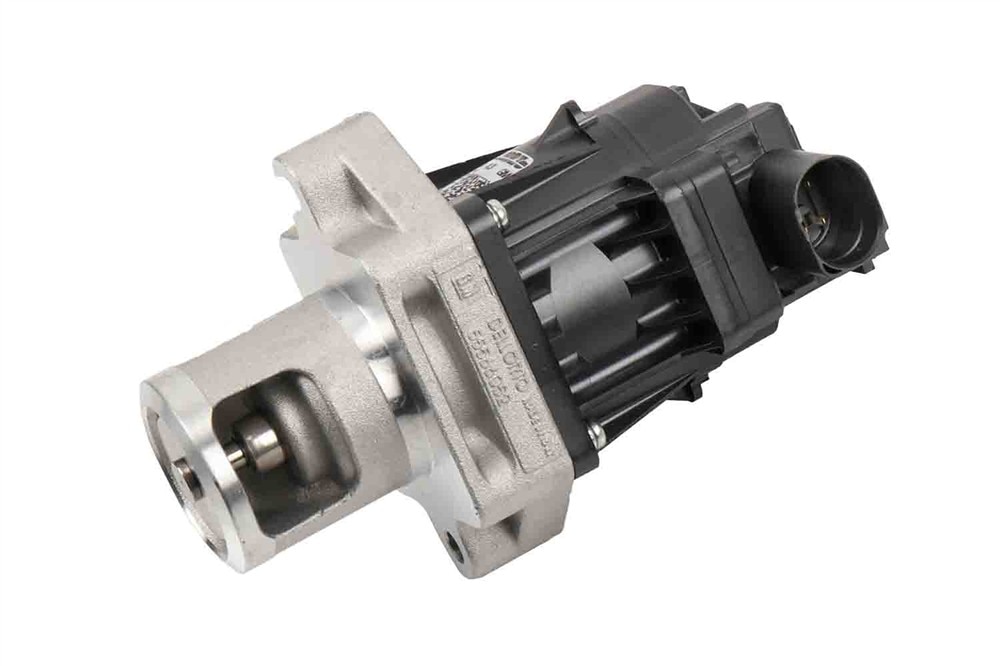
Genuine electronic EGR valve assembly
DIESEL EGR

EGR fault, soot build-up or an off-road build?

EGR lowers combustion temperature to reduce NOx, but valves, coolers and intake paths can suffer deposits or component faults. We diagnose the cause first, recommend repair for road vehicles and discuss supported non-road software options only where lawful.

  • Valve, cooler and airflow diagnosis
  • DTC and live-data review
  • Repair-first road-vehicle guidance
Discuss an EGR fault ›
AD SPACE 03

Next G Spec campaign.

A reserved slot for the next focused service advert—AdBlue, DPF, module cloning or a featured vehicle campaign.

Ready for your next artwork and offer.

EDC systems use electronically controlled dampers; when mechanical coilovers replace them, compatible coding or cancellation hardware may be required to prevent suspension faults. EGR is an emissions system designed to reduce NOx. Vehicle compatibility and lawful use are confirmed before work.

Important

Know what changes.

Calibration changes how the engine or transmission operates. The vehicle's condition, cooling, fuel quality and legal use remain part of the decision.

01

Mechanical condition

Tuning does not repair wear, boost leaks, fuel-system faults or cooling problems. Existing faults are handled first.

02

Heat and load

More output can increase thermal and mechanical load. Maintenance and intended use matter.

03

Warranty and insurance

Software or hardware changes may affect manufacturer warranty or insurance obligations.

04

Road legality

The owner remains responsible for roadworthiness, emissions compliance and lawful use.

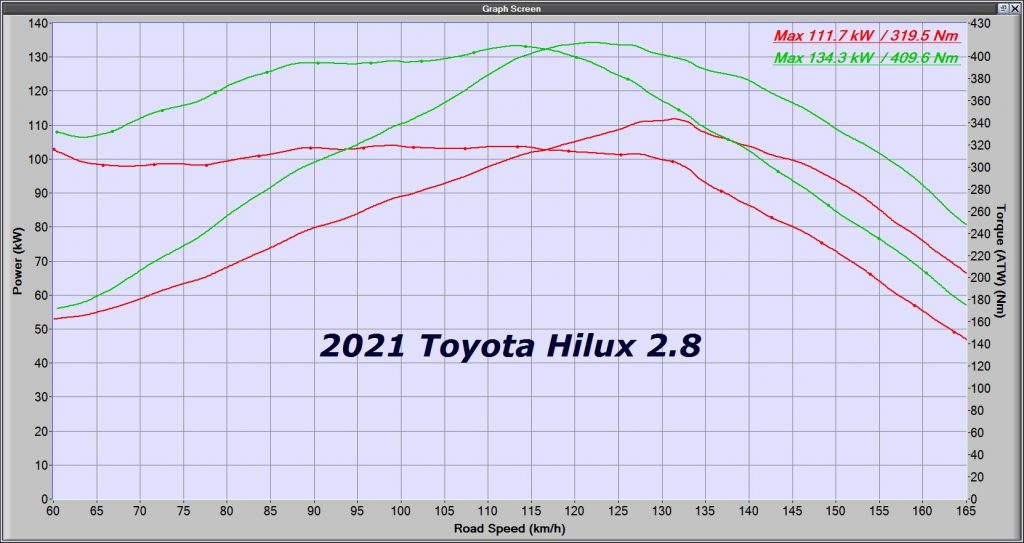
Figures are estimates until the vehicle is measured.

Published gains and reference curves are not a dyno certificate for your car. Actual output varies with the dynamometer, fuel, ambient conditions, drivetrain loss, software version, hardware and vehicle condition.

Nothing on this page limits any consumer right or liability that may not lawfully be excluded under South African law.

More detail, when you need it

Clear answers without the overload.

Open the topic that matters to you. We will confirm what applies to your exact ECU, hardware and intended use before booking.

01 What the tuning stages mean

Stage 1 is software for a healthy vehicle on standard hardware. Stage 2 matches calibration to suitable airflow, exhaust or cooling upgrades. Stage 3 is a planned build around major hardware changes and dedicated calibration.

02 How we access the ECU

We use professional AutoTuner equipment. Depending on the control unit, programming can be completed through the diagnostic port (OBD), through the ECU pins on a bench, or by direct board-level Boot access when required.

03 Risk, warranty and legal use

Tuning changes how a vehicle operates and can increase heat, load and wear. It may affect warranty, insurance, roadworthiness or emissions compliance. Figures remain estimates and lawful use is the customer's responsibility. Vehicle-specific risks are explained before work begins.

Nothing on this page limits any consumer right or liability that may not lawfully be excluded under South African law.

04 What BMW coding can cover

Depending on the chassis and installed modules, supported work can include vehicle-order coding, replacement-module configuration, retrofit coding, VIN or identity correction and EDC-related configuration after compatible suspension changes. The vehicle is scanned first because available functions differ by model and software level.

05 AdBlue, DTC, DPF and EGR work

These systems are diagnosed before any software decision. AdBlue/SCR work can include pumps, heaters, injectors, level and pressure systems, dosing and NOx-sensor faults. DPF work includes soot-load, pressure, temperature and regeneration checks. DTC changes are not used to hide unresolved faults, and emissions-system changes are limited to lawful non-road or competition use where applicable.

06 ECU cloning, VIN writing and recovery

We identify both original and replacement units, confirm compatibility, retain backups and use the supported access method. Some jobs require only external Bench pins; others require Boot-mode test probes on the opened ECU. Identity and immobiliser-related work requires proof of ownership.

G Spec Tuning & ECU Services

Talk through your vehicle.

068 66 99 000